Machu Picchu is not a place where you should improvise everything at the last minute. The visit works with fixed entrance times, official circuits, limited tickets, train schedules, bus queues, ID checks, and strict rules inside the archaeological site.
The good news: once you understand the system, the trip is manageable. Not always cheap, not always smooth, but clear enough.
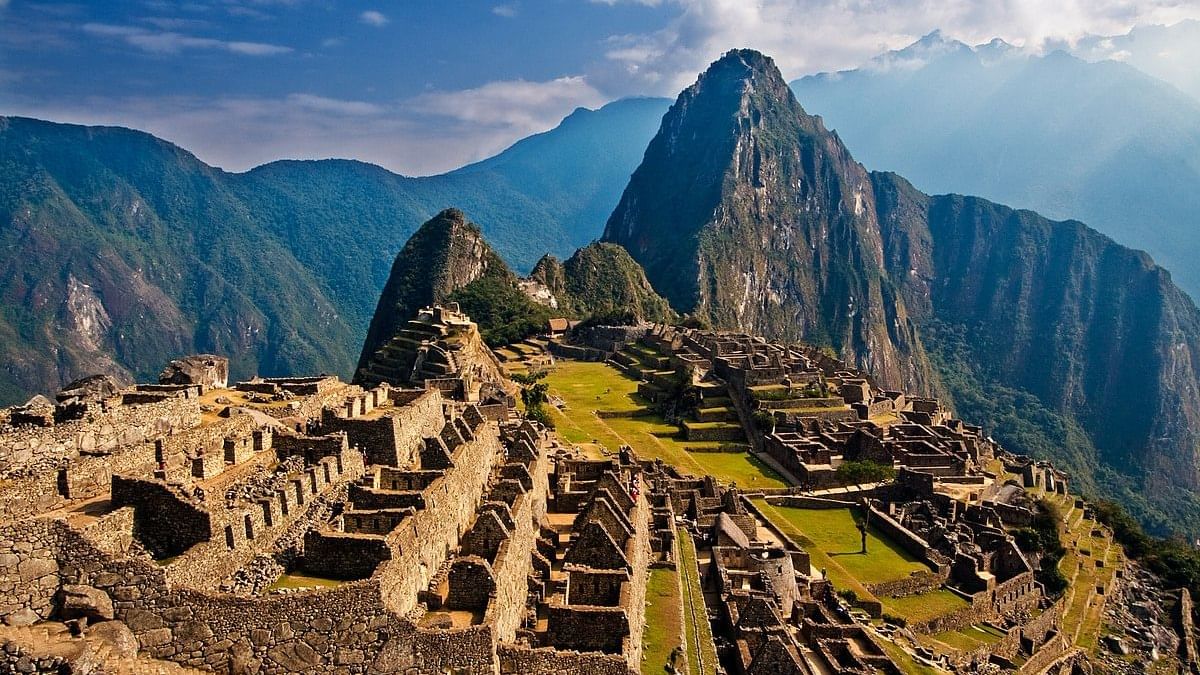
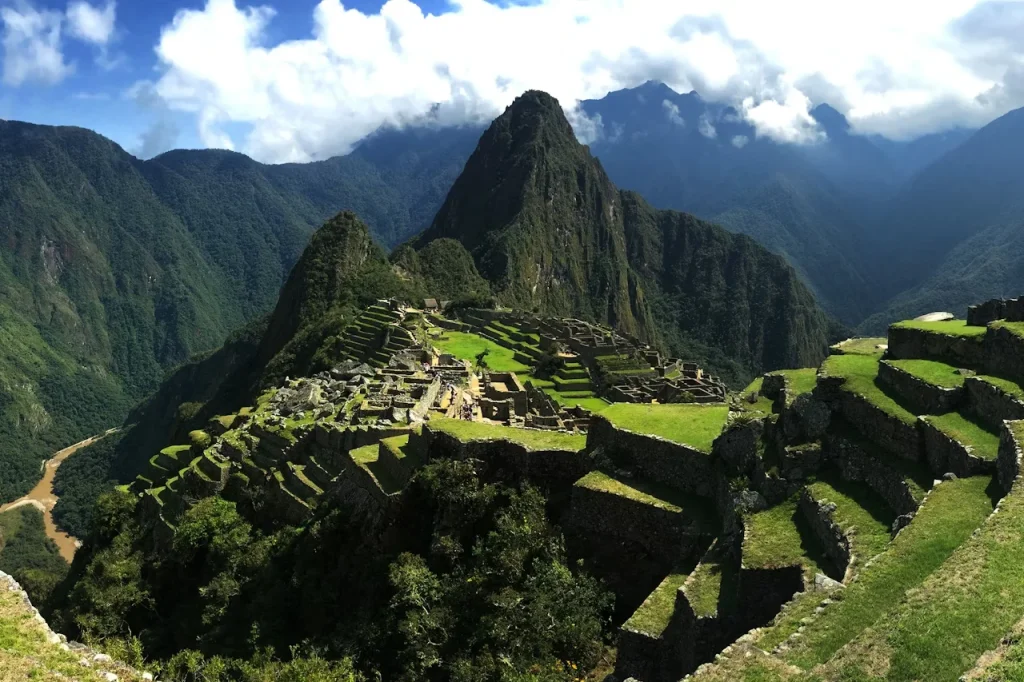
Machu Picchu is a UNESCO World Heritage site located between the Andes and the upper Amazon basin. The site includes archaeological structures, terraces, mountain terrain, cloud forest and controlled visitor routes.
Basic Route to Visit Machu Picchu
Most travelers follow this route:
Lima (approx. 505 ft / 154 m) → Cusco (11,152 ft / 3,399 m) → Ollantaytambo (9,350 ft / 2,850 m) → Machu Picchu Pueblo / Aguas Calientes (6,692 ft / 2,040 m) → Machu Picchu.
Cusco is the main travel base. It is higher than Machu Picchu, so some travelers feel the altitude more in Cusco than at the archaeological site itself. Resting one day before the visit is a smart move, especially if you arrive from sea level.
Step 1: Buy the Machu Picchu Ticket First
Do not book the train first if your preferred Machu Picchu circuit is not available. That mistake hurts. The train can still have seats while the ticket you need is already sold out.
Since June 1, 2024, Machu Picchu uses 3 main circuits and 10 official routes. The Peruvian Ministry of Culture manages these routes to control movement inside the site.
For 2026, the visitor limit is 4,500 people per day in regular season and 5,600 people per day on high-season dates such as January 1, April 2–5, June 19 to November 2, and December 30–31.
Where to Buy Tickets
Official online tickets are sold through the Peruvian state platform Tu Boleto. In-person tickets are also available in Machu Picchu Pueblo, but only 1,000 tickets are sold daily and they are valid for the next day, not the same day.
If you depend on in-person tickets, plan at least one extra night in town. In high season, people line up early. Very early. This is not “I’ll check later” territory.
Step 2: Choose the Right Circuit
The circuit decides what you will actually see. This is the part travelers often underestimate.
Circuit 1: Panoramic Views
Circuit 1 is mainly for views from the upper area. It is good for the classic wide photo, but it does not give the most complete walk inside the city.
Routes include:
Route 1-A: Machu Picchu Mountain (10,111 ft / 3,082 m)
This is the longest panoramic option. The official maximum stay is 7 hours. It is a real hike, not a short viewpoint walk.
Route 1-B: Upper Terrace
This is useful if you want the postcard-style viewpoint without the mountain hike. The official maximum stay is 2 hours and 30 minutes.
Route 1-C: Intipunku / Sun Gate (approx. 8,924 ft / 2,720 m)
Usually available only in high season. It gives a wider approach-style view.
Route 1-D: Inka Bridge (approx. 8,136 ft / 2,480 m)
Usually available only in high season. It is shorter than the mountain routes but still works better for travelers comfortable with narrow paths.
Circuit 2: Classic Machu Picchu
This is the best option for most first-time visitors.
Circuit 2 includes a broader route through the archaeological site and gives a balanced visit: viewpoints, terraces, urban areas, sacred spaces and agricultural sectors. Routes 2-A and 2-B have an official maximum stay of 2 hours and 30 minutes.
Choose Circuit 2 if you want the most complete standard visit. No drama here. This is usually the one people mean when they ask for the “classic Machu Picchu experience.”
Circuit 3: Lower Area and Mountain Add-ons
Circuit 3 focuses on the lower part of the archaeological site and some special hikes.
Routes include:
Route 3-A: Huayna Picchu (8,835 ft / 2,693 m)
This is the steep mountain behind Machu Picchu in many photos. The official maximum stay is 6 hours. It is short but intense. The stairs are narrow, and the climb is not ideal if you dislike exposure.
Route 3-B: Designed Route
This is a shorter route through the lower sector. The official maximum stay is 2 hours and 30 minutes. The official map also marks accessibility support for visitors with motor disability.
Route 3-C: Great Cavern sector (approximately 8,700 ft / 2,650 m)
Usually high season only. It is more physical than the standard lower route.
Route 3-D: Huchuy Picchu (approx. 8,192 ft / 2,497 m)
Usually high season only. This is a shorter mountain option compared with Huayna Picchu.
Step 3: Decide How to Get There
Option 1: Train Route
This is the most common way.
Trains to Machu Picchu Pueblo depart mainly from Ollantaytambo and Poroy (approx. 11,480 ft / 3,499 m), depending on the season and service. PeruRail notes that trains arrive at Aguas Calientes Station, also known as Machu Picchu Pueblo.
The Ollantaytambo to Machu Picchu Pueblo train ride takes approximately 1.5 hours. Inca Rail also describes this as the standard route before taking the bus to the entrance.
This route is the cleanest plan for most travelers:
- Sleep in Cusco, Sacred Valley or Ollantaytambo.
- Take the train to Machu Picchu Pueblo.
- Take the bus to the entrance.
- Visit Machu Picchu.
- Return by bus and train.
The train is comfortable, but luggage is limited. PeruRail allows one small bag or backpack up to 8 kg / 17.64 lb and 115 cm total linear size on Machu Picchu train services.
Option 2: Overnight in Machu Picchu Pueblo
This is the better plan if your entrance is early.
You arrive the day before, sleep in town, then take the first buses up in the morning. It reduces stress. You still need to wake up early, but you are already at the base of the mountain.
This option is practical for:
- 6:00 a.m. entrances
- Huayna Picchu tickets
- Machu Picchu Mountain tickets
- travelers who hate rushing
- families with kids
- people who want a less chaotic day
A quick traveler note: the town is small, touristy, humid, and expensive compared with Cusco. Still, for logistics it works.
Option 3: Hydroelectric Route
The alternative budget route goes by road to Hidroeléctrica (approx. 5,906 ft / 1,800 m), then by foot to Machu Picchu Pueblo. Some travelers go through Santa Teresa (5,085 ft / 1,550 m). This route is cheaper, but it takes longer and depends more on road conditions.
It is not the best option if you are short on time, traveling with heavy luggage, or trying to connect with a strict train or flight schedule.
Option 4: Trekking Route
The main trekking options are:
Classic Inca Trail
Requires permits and must be booked through an authorized operator. It enters Machu Picchu through the historical trail system.
Short Inca Trail
Usually starts near Km 104 and reaches the site through Intipunku. Good if you want a real hike but not a 4-day trek.
Salkantay Trek
Passes near Salkantay Pass (15,190 ft / 4,630 m). This is tougher, colder and more physical than many travelers expect.
Inca Jungle Route
Combines biking, hiking, optional hot springs and jungle valleys. More casual, more “backpacker-style,” but still needs good planning.
For treks, check what is included: Machu Picchu ticket, circuit, return train or return by car, duffle bag, meals, entrance fees, sleeping bag, poles, and final transport. Never assume.
Step 4: Use the Bus or Walk to the Entrance
From Machu Picchu Pueblo, most visitors take the Consettur bus to the entrance gate. The official Consettur schedule lists uphill buses from 05:30 to 15:30 and downhill buses from 06:30 to 18:00. The ticket office in town operates from 05:30 to 22:00.
The ride takes approximately 25 to 30 minutes. Lines can be long in high season, especially for early entrances.
Walking is possible, but it is a steep uphill route of roughly 1.5 to 2 hours. It is fine if you are fit and traveling light. It is a bad idea if you have a mountain hike inside Machu Picchu afterward. Save your legs. Seriously.
Step 5: Prepare Your Documents
Bring:
- Passport used for the booking
- Machu Picchu ticket
- Train ticket
- Bus ticket
- Student card, if your ticket uses a student discount
- A small backpack within the permitted size
- Cash in soles for small expenses
Your name and passport number must match the ticket. If you changed passport after booking, carry the old passport or a copy of it, plus the new one. Staff usually care about matching identity, not your travel story.
Entry Rules You Should Know
Machu Picchu has strict entry rules. The official code of conduct prohibits backpacks larger than 40 x 35 x 20 cm, food, thermoses, umbrellas, walking sticks, tripods, monopods, selfie sticks, drones, alcohol, aerosols, hard-sole shoes, smoking, vaping, littering, climbing walls, touching stone structures, leaving the marked route, and other disruptive behavior. Breaking these rules can lead to removal without refund.
This is not just paperwork. Guards do enforce rules, especially with drones, large bags, tripods, food, and people stepping off the route for photos.
Best Time to Visit
The dry season is usually from May to October. These months have better chances of clear views, but they also bring more visitors. The rainy season is usually from November to April, with more clouds, wet trails and possible delays.
A practical breakdown:
May to October
Better for photos, trekking and stable conditions. June, July and August are busy. Book earlier.
November to April
Greener landscapes, fewer people, more rain. January and February can be rough for treks. Take a rain jacket, not an umbrella.
Best balance
April, May, September and October are often the best months for a decent mix of weather and crowd control.
One-Day Visit or Two-Day Visit
One-Day Visit
A one-day trip from Cusco is possible, but tight. You wake up early, transfer to the train station, take the train, take the bus, visit the site, then reverse the route.
It works. It is also a long day.
Choose this if:
- you have limited time
- you have a midday or afternoon entrance
- you are fine with early starts
- you already have train and entrance tickets aligned
Two-Day Visit
This is more comfortable. You travel to Machu Picchu Pueblo the day before, sleep there, visit Machu Picchu the next morning, then return.
Choose this if:
- your entrance is early
- you booked Huayna Picchu or Machu Picchu Mountain
- you want fewer logistics on visit day
- you are traveling with kids or older adults
- you do not want to gamble with delays
If you can afford the extra night, take it. Your morning will feel calmer.
What to Pack
Pack light. Machu Picchu is humid, controlled, and full of stairs.
Bring:
- Passport
- Small backpack
- Rain jacket or poncho
- Light fleece or jacket
- Sun hat
- Sunglasses
- Sunscreen
- Comfortable walking shoes
- Refillable water bottle
- Insect repellent
- Phone with offline tickets or screenshots
- Cash for buses, snacks outside the site and bathrooms
Do not bring big luggage to the entrance. Leave it in Cusco, Ollantaytambo, your hotel, or train station storage if available.
Common Mistakes
Booking the Train Before the Entrance Ticket
Bad order. First check Machu Picchu ticket availability. Then match train times.
Choosing the Wrong Circuit
A Circuit 1 ticket is not the same as Circuit 2. A Huayna Picchu ticket is not just “extra time.” Each route controls where you can walk.
Arriving Too Late for the Bus
For early entrances, lines start early. In high season, do not arrive at the bus station five minutes before your entry time. That is how panic starts.
Carrying Too Much Stuff
Large backpacks are not allowed. Train luggage is also limited. Travel light.
Ignoring Altitude
Cusco is higher than Machu Picchu. Spend at least one easy day adjusting if your itinerary allows it. Eat light, hydrate, and do not do a huge party night before the visit. Rookie mistake.
Recommended Planning Order
Use this order:
- Choose your travel month.
- Check Machu Picchu ticket availability.
- Choose the circuit.
- Buy the entrance ticket.
- Book train tickets.
- Book hotel in Cusco, Ollantaytambo or Machu Picchu Pueblo.
- Buy bus tickets if needed.
- Confirm pickup times, train station and passport details.
- Pack light.
- Arrive early.
That order avoids most problems.
Final Advice
For a first visit, Circuit 2 is usually the safest choice. For the classic photo, Circuit 1 works well. For a steep mountain hike, choose Huayna Picchu or Machu Picchu Mountain. For a calmer day, sleep in Machu Picchu Pueblo the night before.
Machu Picchu is not hard to visit, but it is strict. Tickets, circuits, transport and timing matter. Once those are correct, the rest is just walking, listening, looking, and trying not to rush through a place that took serious planning to reach.